Deep dive
Building an NFT Launchpad on Sui: Supply, Stages, and Mint Rules
A Sui launchpad has to model supply, reserved inventory, mint stages, allowlists, payment, and metadata commitments without mixing them together.

An NFT launchpad is not just a page that calls a mint function. It coordinates inventory, supply, pricing windows, allowlists, wallet limits, reserved allocations, metadata, payment, delivery, and the transition from a draft collection to tradable assets. On Sui, those choices also have to respect transaction-size and object-runtime limits. A robust launchpad therefore needs a clear division between what must be enforced on chain and what can be prepared or served off chain without weakening the guarantees buyers depend on.
Supply is not one number
Capacity, public supply, reserved supply, minted count, and tracked item count answer different questions. Ganbitera explicitly distinguishes release capacity from the number of items the indexer has tracked. A drop can even have a public supply of zero because every token is reserved; that is a real measurement, not missing data. Keeping these concepts separate prevents incorrect progress bars, ownership percentages, scarcity claims, and mint availability states.
Stages and allowlists need on-chain truth
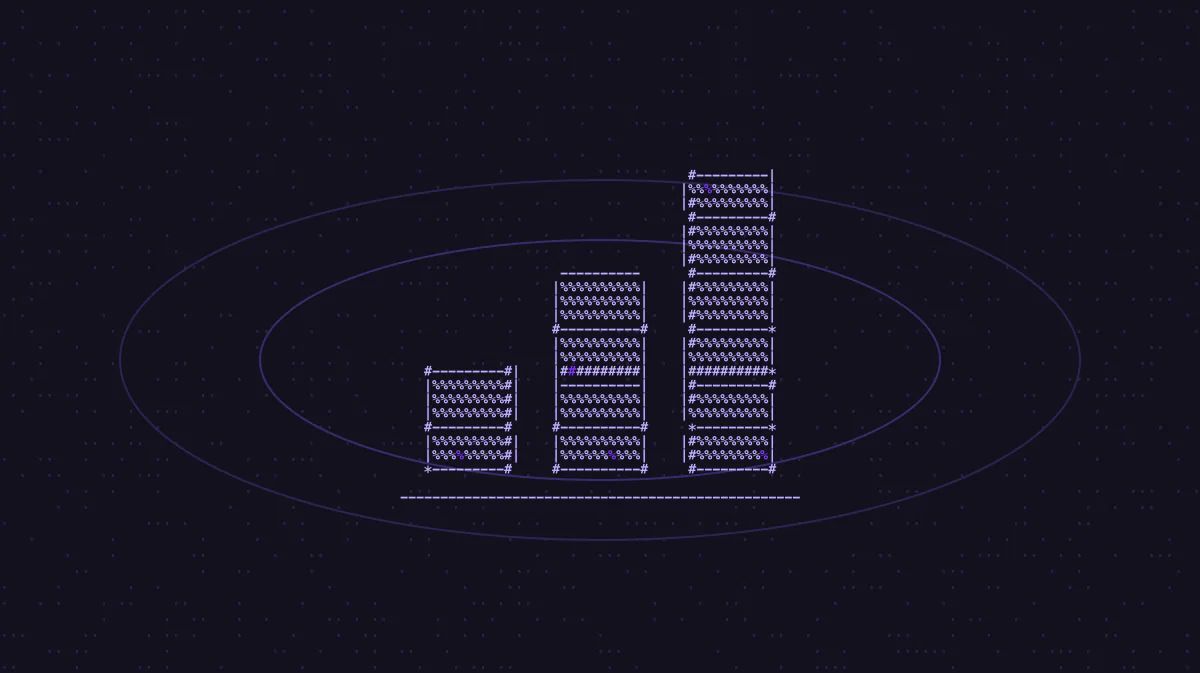
A mint stage can define a start and end time, price, supply cap, wallet limit, and allowlist. The browser can display those rules, but it should not be the authority for them. Ganbitera's mint flow re-resolves the active stage against the on-chain clock when the transaction executes. The same principle applies to allowlist proofs, supply limits, and payment. A cached quote can improve the interface; the contract still decides what the mint actually costs and whether it is allowed.
Large collections need committed inventory
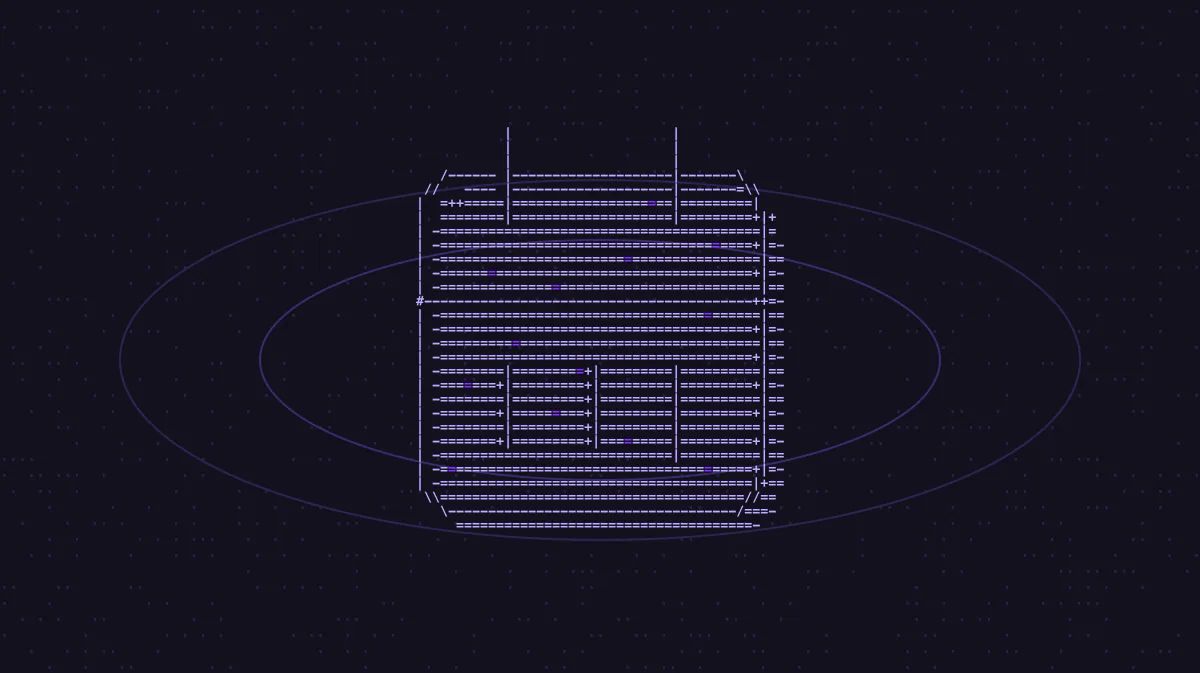
Writing every unminted item to chain during setup scales poorly. A large drop can hit Sui transaction limits before minting even starts, and the creator prepays storage for inventory that buyers may never mint. Ganbitera's committed-drop design instead commits a Merkle root and item count on chain while the versioned inventory remains privately stored by the launchpad. At mint time, the selected item can be proven against that commitment. The chain enforces supply and metadata integrity without storing one full row for every future NFT.
Reserved inventory should be explicit
Team allocations, giveaways, partnerships, and public mint supply should not blur into one pool. Ganbitera models reserved tokens as a defined range with a creator-only reserved mint path, while public mint paths are constrained to the public boundary. That makes the allocation enforceable rather than a spreadsheet promise and prevents a public minter from consuming inventory intended for a different purpose.
Good launchpad UX comes from clear authority
The interface should answer a small set of questions clearly: what am I minting, what does it cost now, how many can I mint, am I eligible, and what will happen after I sign? It should not derive missing figures as zero or invent certainty when the chain has not resolved a live stage. Ganbitera's architecture resolves buyer-facing figures server-side for display while keeping the contract authoritative at execution. That separation lets the product stay simple without making the rules soft.