Explainer
What Are PFP NFTs? Profile Picture NFTs Explained
PFP NFTs are collectible avatars made to be used as profile pictures. Learn how a collection is generated, how traits and rarity work, why people collect them and what to check first.
Key points
- A PFP NFT is an avatar collectible, usually one of many generated variants in a numbered collection.
- Traits describe each item. Rarity only measures how few items share a trait.
- The licence, the team, the supply and the reveal terms matter more than hype.
- Prices can fall, and promised perks are not guaranteed.
- This guide explains the format. It is not investment advice and it names no collection to buy.
If you have seen the same kind of cartoon face on many social profiles, you have seen PFP NFTs. This guide explains what they are, how a collection is made, why people collect them and what to check before you buy one. It assumes you know the basics from What is an NFT?. By the end you will have a short checklist you can apply to any collection. Nothing here predicts a price or recommends a purchase.
What are PFP NFTs?
A PFP NFT is an NFT whose artwork is designed to be used as a profile picture, usually as one item in a collection of many related characters. "PFP" stands for profile picture. Each item has its own number, and the items share a visual style but differ in details.
Three things set the format apart:
- It is a set, not a single piece. A collection might hold hundreds or thousands of items, all drawn from the same set of art parts.
- It is meant to be shown. The point is to use the image as your avatar, so the art is usually a face or a character in a square frame.
- Identity is part of the appeal. Owning an item from a collection can say something about you, or connect you to the people who own the others.
How is it different from an art NFT? A one-off art NFT is a single work, often valued as art. A PFP is one of many, valued partly for its traits and partly for the group it belongs to. The technology is the same. Both are tokens that point to a file, and you hold them in your wallet.
Can you actually use one as an avatar? That depends on the platform. Some apps let you display an NFT as your picture and some do not. Check the platform's own help page, because support changes.
How are PFP collections made?
Most PFP collections are generated: an artist draws a set of layers, and software combines them under rules to produce many different images. Here is the usual path.
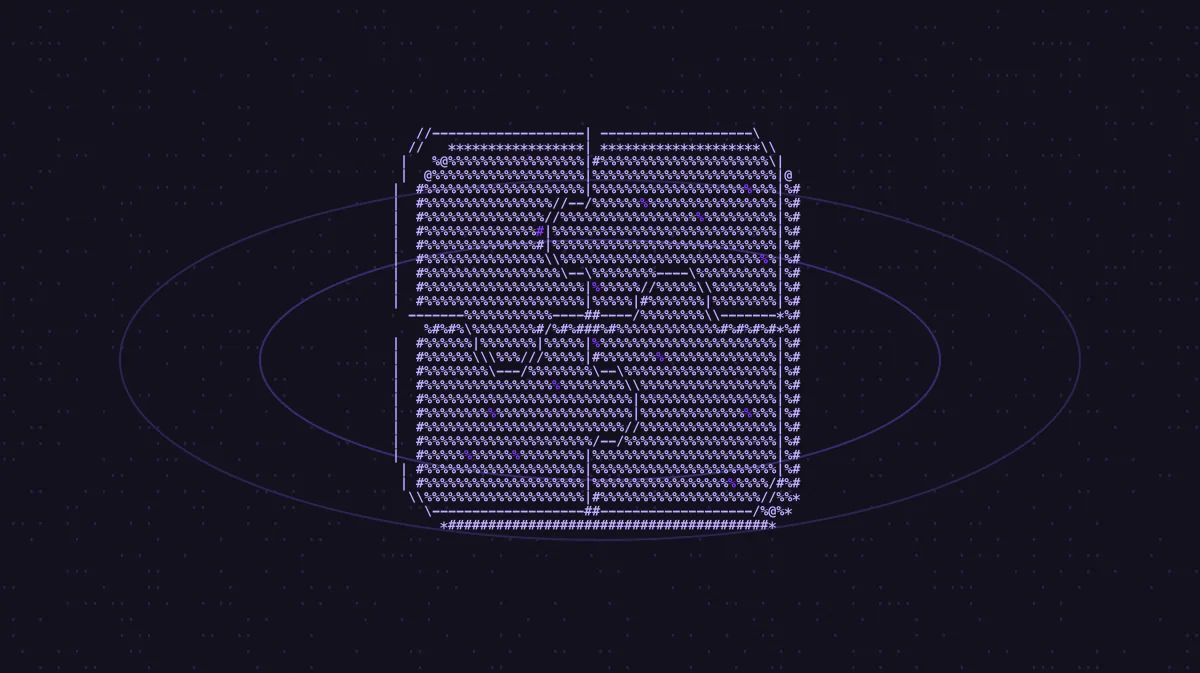
- The artist draws layers. Typical layers are a background, a body, clothing and accessories. Each layer has several variants.
- A generator combines them. It picks one variant per layer, following rules such as "this hat never appears with that hair". The result is a set of unique images up to the planned supply.
- Metadata records each trait. For every item, a record lists which variant sat in which layer. These records are what a marketplace reads to build filters. See NFT indexing for how marketplaces read them.
- The supply is fixed at launch. The creator decides how many items exist. Read that number before you buy.
- The files are stored somewhere. Images and metadata usually sit off-chain, and the NFT points to them. See NFT media storage for what that means for you.
- The collection is minted. Buyers mint their items in a drop. See What is minting? and What are NFT drops?.
Many creators hide the artwork until a set date, so that nobody can pick the rare items by looking. That is a delayed reveal, explained in Delayed reveal on Sui.
On Ganbitera, the Create flow offers a generated-collection path. You upload a ZIP file of layer folders, set rarity, generate the items and then export them as a drop. The creator can choose between an instant reveal and a delayed reveal, and can choose random or sequential mint order. Ganbitera is in open beta on Sui testnet, so test SUI from the faucet is enough to try it, and test assets have no value.
Traits and rarity
Traits are the attributes of an item, and rarity is how few items in the collection share a trait. A trait has a type, such as "Hat", and a value, such as "Red cap". If 50 items out of 1,000 have the red cap, that value is rarer than one shared by 400 items.
Some points to keep in mind:
- Rare does not mean valuable. A rare trait can be unpopular. Buyers decide what they like, and tastes change.
- Rarity scores are opinions. Tools that rank items add their own formulas on top of the metadata. Two tools can rank the same item differently.
- Filters are the useful part. A traits view lets you see how many items share a trait and compare asking prices for items you like.
On Ganbitera a collection page has a Traits tab next to Items, Offers, Activity, Holders and Analytics. Use it to see the spread before you decide.
Why do people collect PFPs?
People collect PFPs for identity, community and art, and some also hope for perks or resale gains. Each reason is worth looking at honestly.
- Identity. An avatar you chose is a small public statement. Some people want one that matches how they see themselves.
- Community. Holders of one collection often form a group, with chats and events run by the team or by fans. What the group offers depends entirely on the project.
- Art. Some buyers simply like the style and want to support the artist.
- Perks. Some projects promise access, discounts or future releases. These are promises, not contracts. See below.
- Speculation. Some buyers hope the item will sell for more later. Treat that as a risk, not a plan. Many items never find a buyer at the price their owner hoped for.
Membership-style collections are covered in What are membership NFTs?. For the contrast, see What are soulbound NFTs?, which are tokens that cannot be sold at all.
Which kinds of PFP collections exist?
This guide does not name individual collections, because a name here would read as a recommendation and any detail about it would need a dated source. It describes the main styles instead.
- Illustrated characters. Hand-drawn faces or creatures built from layers. This is the classic format described above.
- Pixel or low-resolution avatars. Small images where each trait is a few pixels.
- Photographic or 3D avatars. Rendered characters with layered clothes and props.
- Community or brand collections. Items released by a brand, a creator or a group, where the avatar doubles as a membership mark.
Older, well-known collections are part of the format's history. Their history is not a reason to buy one today.
What are the risks, and what should you check?
PFP prices can fall sharply, items can be hard to sell, and promised perks are not guaranteed. Fakes are common, so check before you pay. Use this list.
- Is it the real collection? Copycats use the same name and art. Compare the creator's official links, the supply and the collection address. Read How to verify an NFT collection and Common NFT scams.
- What does the licence say? Owning the token is not the same as owning the copyright to the image. Read the licence the project publishes, and check whether you may use the art commercially.
- Who is behind it, and what is the supply? Look for a team with a track record you can check and a stated maximum supply.
- What are the reveal terms? Know whether the art is hidden, when it is revealed and what happens if the date slips.
- What are the perks, in writing? A promise on social media is not a contract. If a perk matters to you, find where it is written down and who is responsible for delivering it.
- How easy is it to sell? Check the collection's recent activity and how many items are listed. See What is floor price?.
- What will you pay in total? On Ganbitera, checkout shows the price, the platform fee and any creator royalty before you sign. See How to buy an NFT on Sui and Marketplace settlement.
A verified mark on a collection page means Ganbitera marked it as verified. It is not an audit and not a recommendation. Each collection page also has a Report button for fakes and scams.
Conclusion
A PFP NFT is an avatar plus a bet on a community, so know which part you are buying. Read how the collection was made, check the traits, the licence and the supply, and ignore any promise you cannot find in writing. To go deeper, read the What is an NFT? guide hub. To try the market without risk, open the Ganbitera marketplace on testnet, or start a collection in Create.
FAQs
Can I use a PFP NFT as my profile picture on social media?
It depends on the platform. Some let you connect a wallet and show an NFT as your picture, and many do not. You can always save the image and upload it as an ordinary picture, if the licence lets you. Check the platform's help page first.
Do I own the copyright to my PFP?
Usually not by default. The token proves you hold that item. Rights to the artwork come from the project's licence, which may allow personal use, commercial use or neither. Read it before you buy.
What is the difference between a PFP and an art NFT?
A PFP is one item in a large set made from shared parts, designed as an avatar. An art NFT is usually a single work or a small edition. Both are NFTs. The difference is in how they are made and why people collect them.
How do I check how rare my PFP is?
Open the collection's traits view and look at how many items share each of your item's traits. Third-party tools also publish rarity rankings, but those use their own formulas, so treat them as opinions.
Why are some PFP collections so expensive?
Prices come from what buyers are willing to pay at a given moment, which can reflect demand, community, art, fashion or hype. A high price is not proof of quality, and it can fall. Look at recent activity before you decide.
Do PFP NFTs come with real benefits?
Some projects offer perks, and many do not. Perks are promises by the team, so check where they are written and who delivers them. The NFT itself only proves ownership of the token.
References
- Ethereum.org, "Non-fungible tokens (NFT)", https://ethereum.org/en/nft/ (accessed 2026-11-26)
- Sui Documentation, "Sui NFTs", https://docs.sui.io/guides/developer/nft (accessed 2026-11-26)
- Sui Documentation, "Object model", https://docs.sui.io/concepts/object-model (accessed 2026-11-26)
- Sui Documentation, "Get coins" (Testnet faucet), https://docs.sui.io/guides/developer/getting-started/get-coins (accessed 2026-11-26)